Parker Bennett · 31 August 2026
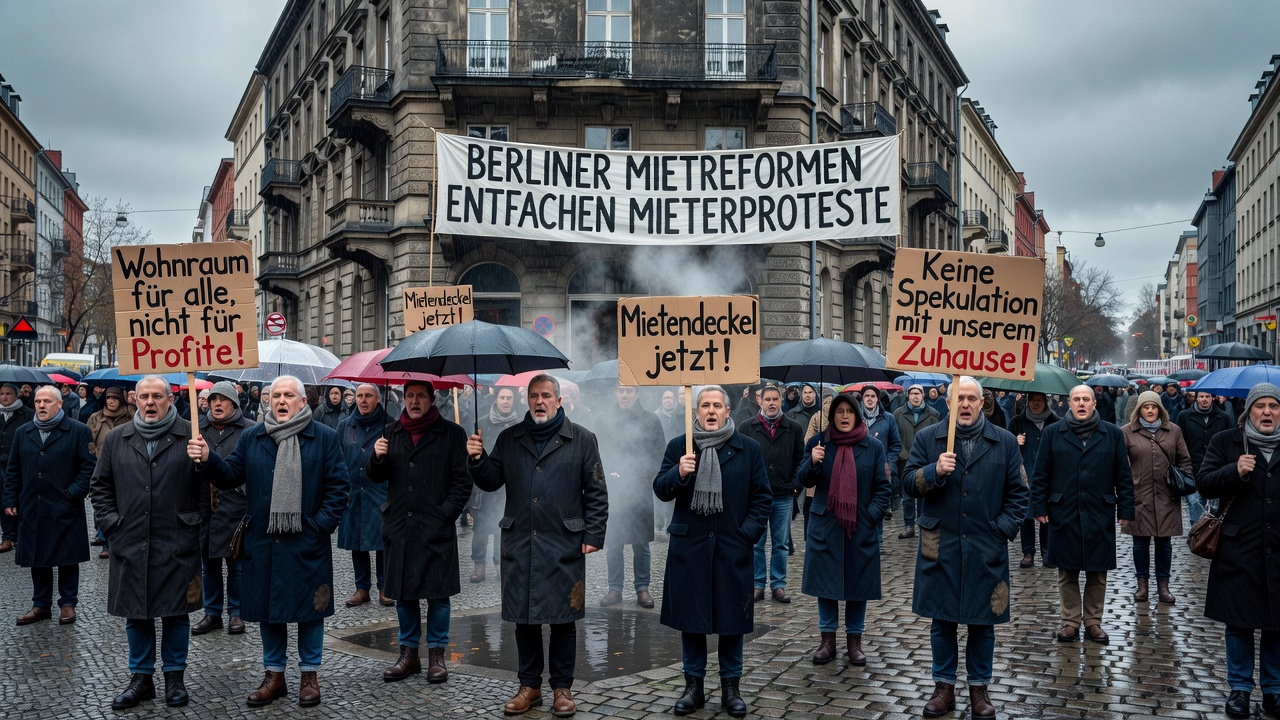
The recent changes to Berlin's housing policy have sparked widespread protests among tenants across the city. The new regulations, which include adjustments to rent control measures, have been criticized for failing to address the rising cost of living adequately. Residents fear that without stronger protections, many will be forced out of their homes due to unaffordable rents.
Background on the Policy Changes
Berlin has long struggled with housing affordability issues. The government proposed these reforms to balance the interests of landlords and tenants. However, tenant associations claim the policy favors property owners. Data shows rent prices have increased by 15 percent in the last year alone. Experts from local universities have analyzed the potential impacts, suggesting that more comprehensive measures are needed to stabilize the market.
Protests have been organized by various groups, including the Berlin Tenants' Union. They demand a stricter rent freeze and more social housing projects. The demonstrations have drawn attention from international media, highlighting Berlin's ongoing housing crisis.
Reactions from Tenants and Officials
Local officials defend the policy as a necessary step towards sustainable development. They point to investments in new housing construction as a long-term solution. In contrast, tenants express frustration and have vowed to continue their activism until meaningful changes are made. Several neighborhoods have seen repeated rallies, with participants holding signs calling for justice in housing rights. The situation remains tense as negotiations between stakeholders continue.
The economic implications are significant, affecting not only residents but also the local economy. Businesses in affected areas may suffer if populations shift due to housing costs. Historical context reveals that similar policies in other European cities have had mixed results. Analysts recommend studying those cases for better outcomes in Berlin. Community meetings have been held to discuss strategies for advocacy. The role of social media in mobilizing protesters cannot be understated, as it has helped spread information rapidly. Future policy adjustments may depend on the pressure from these public demonstrations.