Henrik Frank · 31 August 2026
Berlin's housing landscape is undergoing significant changes that have prompted large-scale tenant protests throughout the capital. The introduction of new policies intended to address affordability has instead led to widespread dissatisfaction among residents facing potential rent hikes and evictions. Officials introduced the measures earlier this year following a 2023 court ruling that invalidated prior rent controls.
Details of the Housing Policy Changes
The recent legislation caps annual rent increases at a maximum of 3 percent for existing contracts while imposing limits on the conversion of rental units into owner-occupied properties. Proponents from the city administration emphasize that these measures build upon previous efforts to regulate the market. According to official statistics, approximately 1.8 million rental units in Berlin are subject to these new rules, with particular focus on areas experiencing rapid gentrification such as Mitte and Prenzlauer Berg. Additional components include incentives for landlords who maintain affordable rates and penalties for those engaging in speculative practices. The policy also allocates funds for the construction of 50,000 new social housing units over the next five years. However, independent reports from housing research institutes indicate that enforcement mechanisms may lack the necessary resources, allowing some property owners to exploit ambiguities in the law. For instance, renovations labeled as essential improvements can justify higher rents, affecting thousands of families annually. Data shows average rents have risen 12 percent in affected districts since implementation began.
Public Response and Ongoing Protests
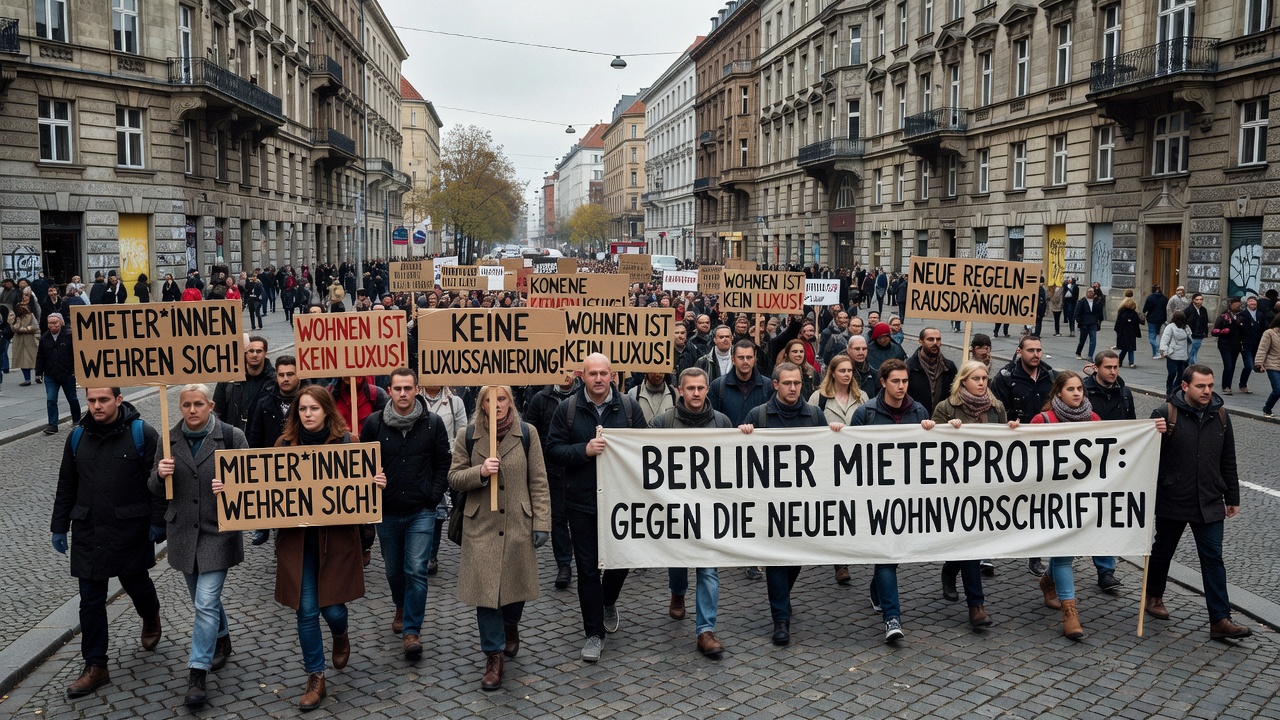
Tenant groups have mobilized extensively against the perceived inadequacies of the policy. Recent demonstrations in central Berlin attracted over 15,000 participants, with organizers calling for a complete overhaul of rent regulations. These events have included marches, public forums, and petitions signed by more than 100,000 citizens. Community leaders argue that the current framework fails to account for the city's growing population and the influx of international investors driving up property values. Political analysts note that the protests reflect broader tensions in German urban policy, where balancing economic growth with social equity remains challenging. Local authorities have pledged to review the policy based on feedback from affected parties, though no immediate revisions have been announced. Surveys indicate 65 percent of residents support stronger tenant protections. As the situation develops, stakeholders from all sides continue to advocate for solutions that ensure stable and accessible housing for all Berlin residents. Real estate associations warn of potential investment declines if tensions persist.