Uma Foster · 25 October 2026
Mapping Climate Insights Through Local Artistic Voices in Advocacy Efforts
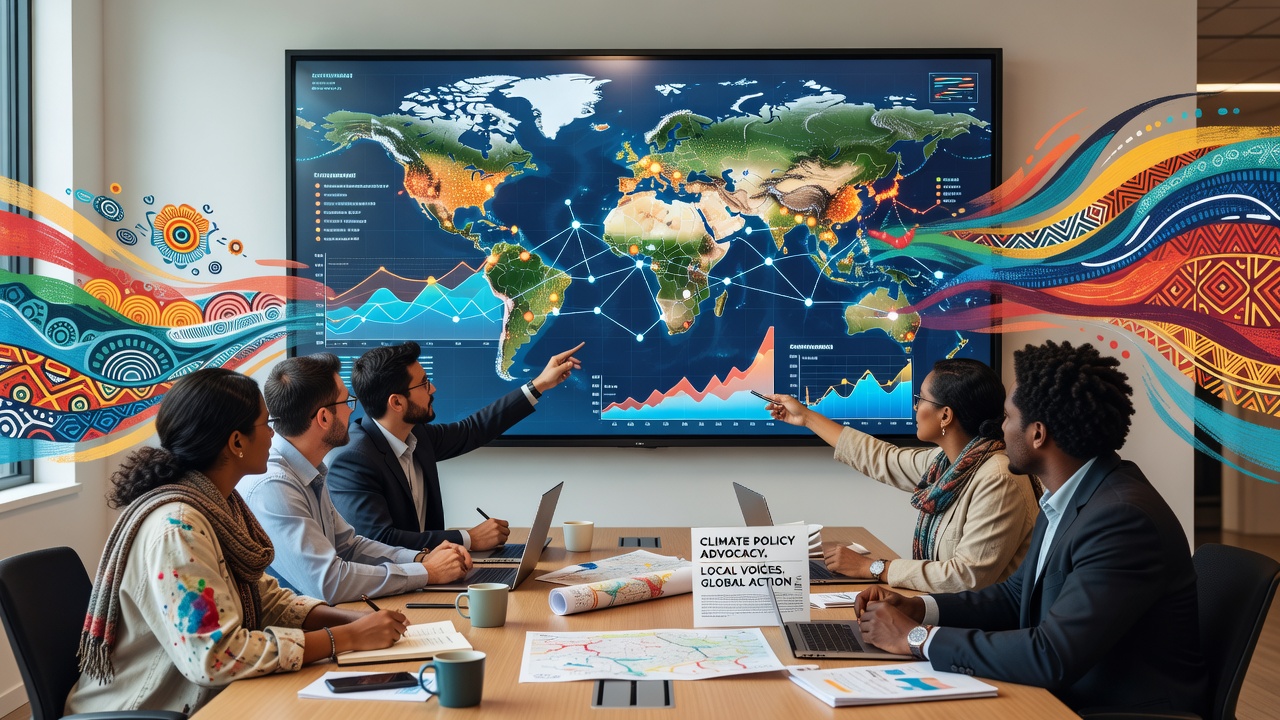
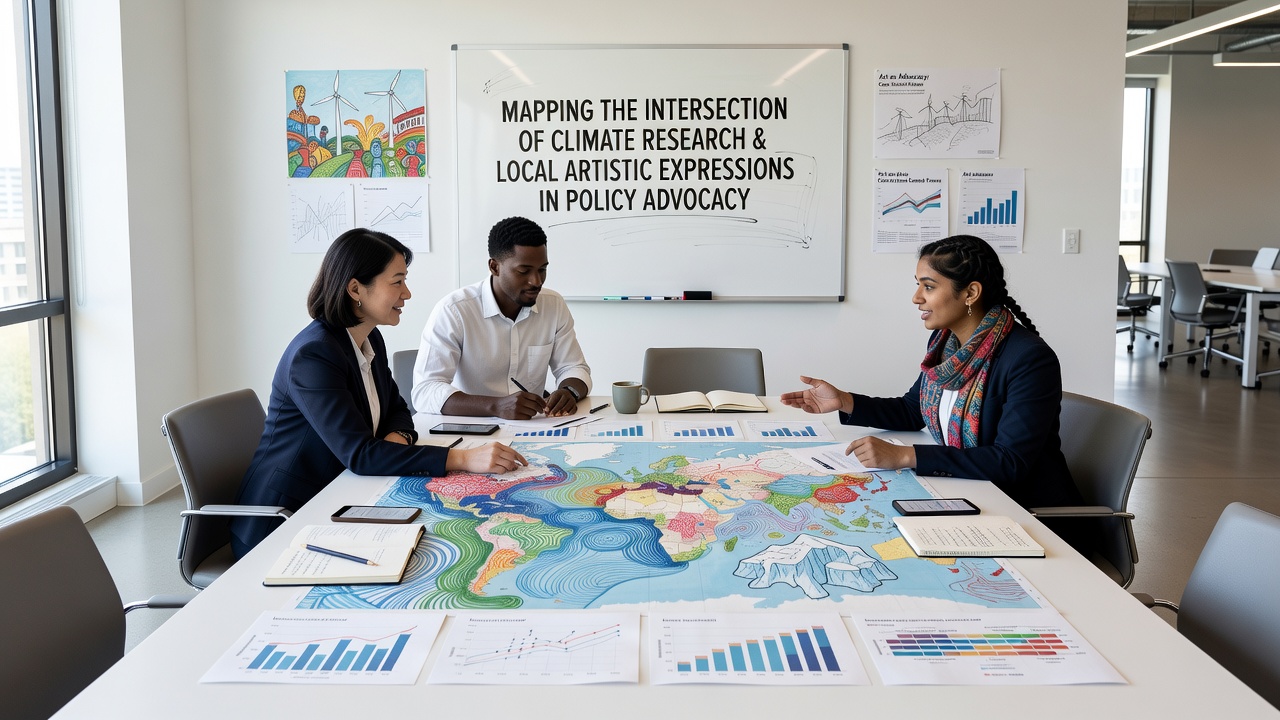
Climate research generates extensive datasets on temperature shifts, precipitation patterns, and ecosystem changes while local artistic expressions transform those findings into accessible formats that communities can engage with directly. Researchers collect data through satellite monitoring and ground stations, then share results with artists who incorporate the information into murals, performances, and installations that highlight specific regional impacts. This combination appears in multiple locations where policy discussions require public input on adaptation measures.
Regional Projects Integrating Data and Creative Forms
Coastal areas in Australia have seen artists work with projections from the Commonwealth Scientific and Industrial Research Organisation to create installations showing projected sea level increases along specific shorelines. These works use projected figures for 2030 and 2050 to depict changes in familiar landmarks, which then feed into local council meetings on zoning adjustments. In Canadian prairie provinces, community groups combine drought frequency statistics from Environment and Climate Change Canada with traditional storytelling performances that tour rural towns and present evidence on water management needs.
European cities host similar efforts where artists reference reports from the European Environment Agency on urban heat islands. Murals in several mid-sized municipalities display color-coded maps of temperature anomalies recorded over the past decade, and these visuals support resident submissions during public consultations on green infrastructure funding. Observers note that such displays often coincide with budget cycles when officials review allocation priorities for cooling measures.
Events Scheduled for October 2026
Organizers have scheduled a series of workshops across North American and European sites for October 2026 that pair climate model outputs with collaborative art production. Participants receive datasets on regional emissions trajectories and work with facilitators to translate the numbers into site-specific sculptures or digital projections. The events aim to generate materials that local advocacy networks can present during upcoming legislative sessions on renewable energy targets.
One project in the Pacific Northwest draws on wildfire risk assessments from the United States Forest Service to inform a series of community theater pieces performed in affected counties. Scripts reference historical burn area statistics and projected increases under different emissions scenarios, then invite audiences to discuss evacuation planning and forest management options with planners in attendance.
Policy Outcomes and Documentation Practices
City governments in several jurisdictions have begun archiving artistic outputs alongside technical reports when updating climate action plans. Staff members record how many residents viewed an installation or attended a performance, then cross-reference attendance figures with subsequent survey responses on policy preferences. These records help track whether creative presentations correlate with higher engagement levels during comment periods for new regulations.
Academic teams have started mapping the geographic spread of these initiatives using publicly available project directories from research institutions and municipal cultural offices. The resulting inventories show clusters in regions facing acute water stress or coastal erosion, where artists have accessed grant programs that require demonstrated links between creative work and evidence-based advocacy. Data from these inventories indicate that projects often align with national reporting cycles under international climate agreements.
Challenges in Measurement and Coordination
Coordinators face difficulties when attempting to quantify the direct influence of artistic components on final policy language. Some municipalities track changes in proposed text between draft and adopted versions, noting additions that reference community-generated visuals or performances. Others rely on interviews with elected officials who describe how exposure to particular installations altered their framing of adaptation priorities during debates.
Funding streams for these combined efforts come from both scientific agencies and arts councils, which sometimes requires applicants to demonstrate measurable contributions to public understanding of specific datasets. Review panels evaluate proposals based on the accuracy of data representation and the reach of planned community events. This dual requirement encourages partnerships between climate modelers and local cultural organizations that maintain established audience networks.
Conclusion
Documentation from multiple regions shows that climate research supplies quantitative foundations while local artistic expressions provide contextual framing that residents apply during policy discussions. Projects scheduled through 2026 continue to expand the range of formats used, from static installations to interactive digital experiences. Municipal records indicate ongoing interest in preserving these outputs as supplementary materials for future planning cycles.